

Twin Screw Extruder for Plant Protein and HMMA Development
Turning plant protein formulations into physical samples is a key step in meat alternative development. XPMD&WST combines a Twin Screw Extruder with feeding, temperature control and forming equipment to support formulation trials and sample preparation. This application case presents the equipment configuration, process concepts and strip-shaped samples relevant to plant protein and high-moisture meat analogue (HMMA) research.
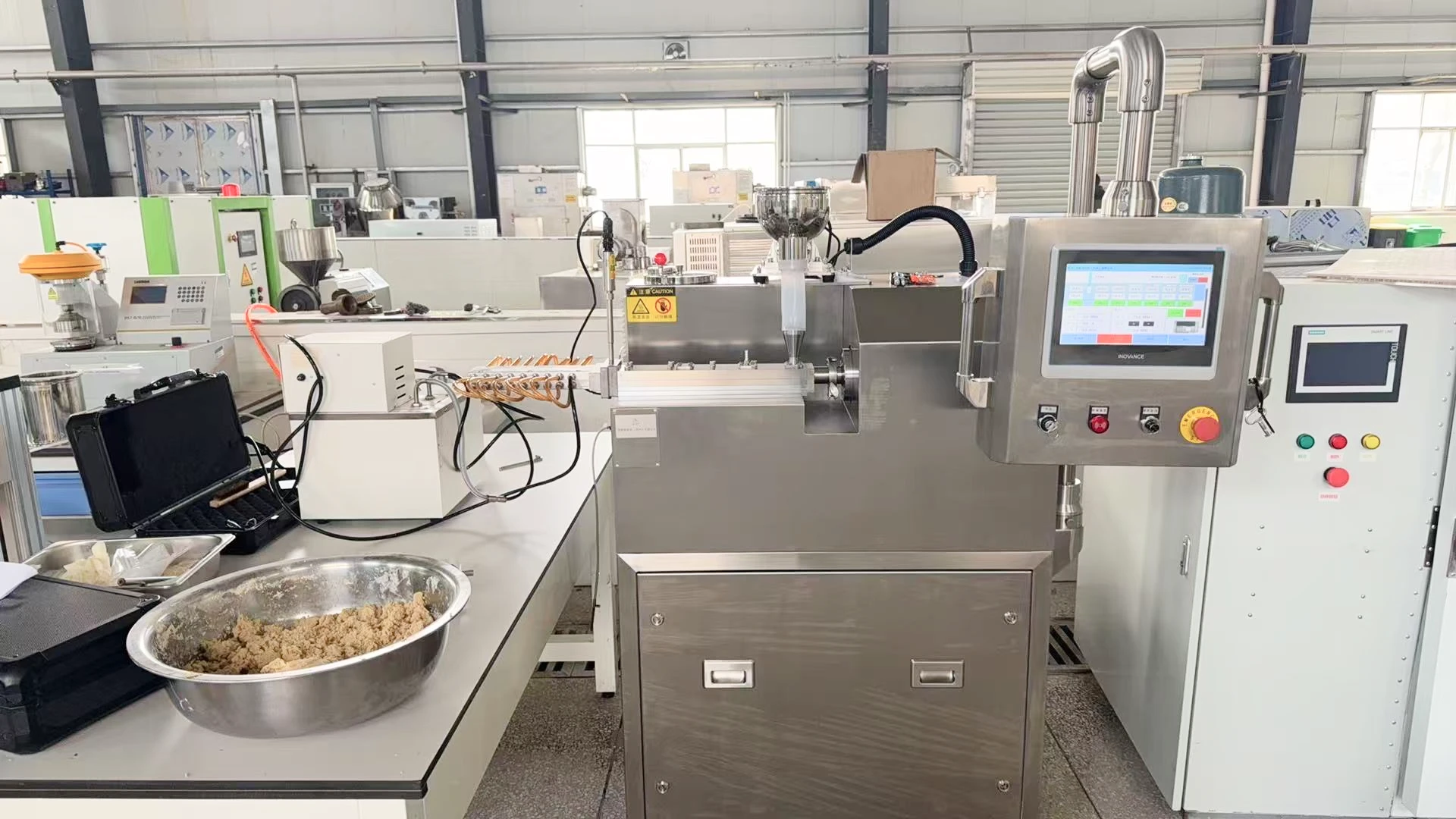
Figure 1. Twin screw extrusion equipment at the trial site
Connecting Formulation and Processing
Researchers need to examine how feeding, screw configuration, barrel temperature and die conditions affect sample formation. An adjustable extrusion platform provides a practical basis for comparing processing settings and collecting samples for further evaluation.
An Integrated Equipment Configuration
The WST-ZE16 Twin Screw Extruder uses modular parallel screws. The May 2026 configuration pairs the extruder with a WST-W12 feeder, a forming die and a circulating water bath. The specified die has a flat-strip outlet and a water jacket for temperature management, supporting trials focused on strip-shaped samples.
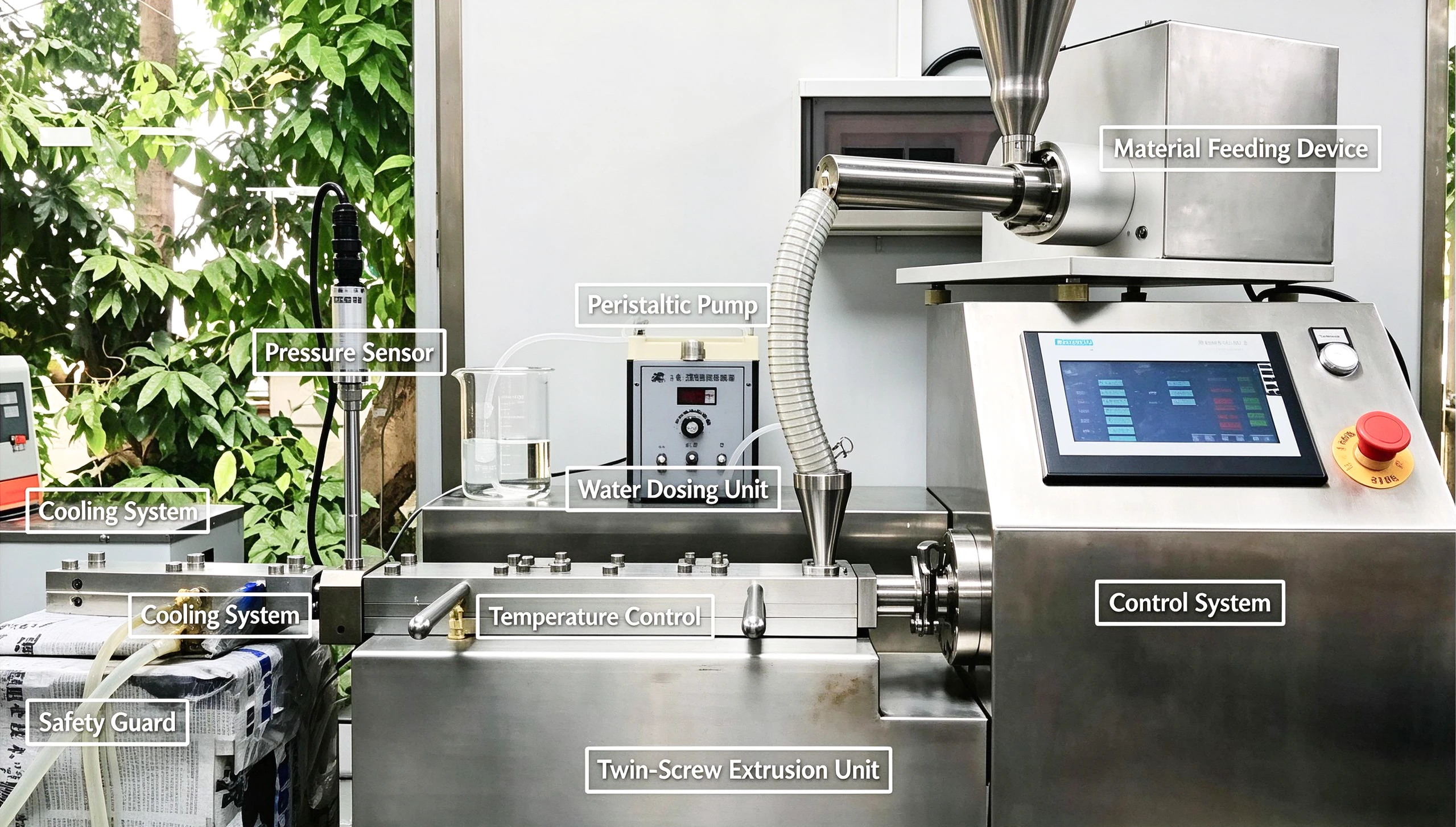
Figure 2. Annotated Twin Screw Extruder equipment overview
Modular Screws for Processing Trials
Modular screw and kneading elements provide the basis for conveying and mixing. Researchers can select screw combinations to investigate processing behavior with different formulations and target sample shapes.
Feeding and Die Temperature Management
The WST-W12 feeder features a 2 L standard hopper, servo-controlled speed and a removable assembly for offline cleaning. The jacketed forming die and circulating water bath provide a basis for managing outlet-section temperature during sample preparation.
Configuring the Twin Screw Extruder for HMMA Research
The WST-ZE16 Twin Screw Extruder uses modular parallel screws. The May 2026 configuration pairs the extruder with a WST-W12 feeder, a forming die and a circulating water bath. The specified die has a flat-strip outlet and a water jacket for temperature management, supporting trials focused on strip-shaped samples.
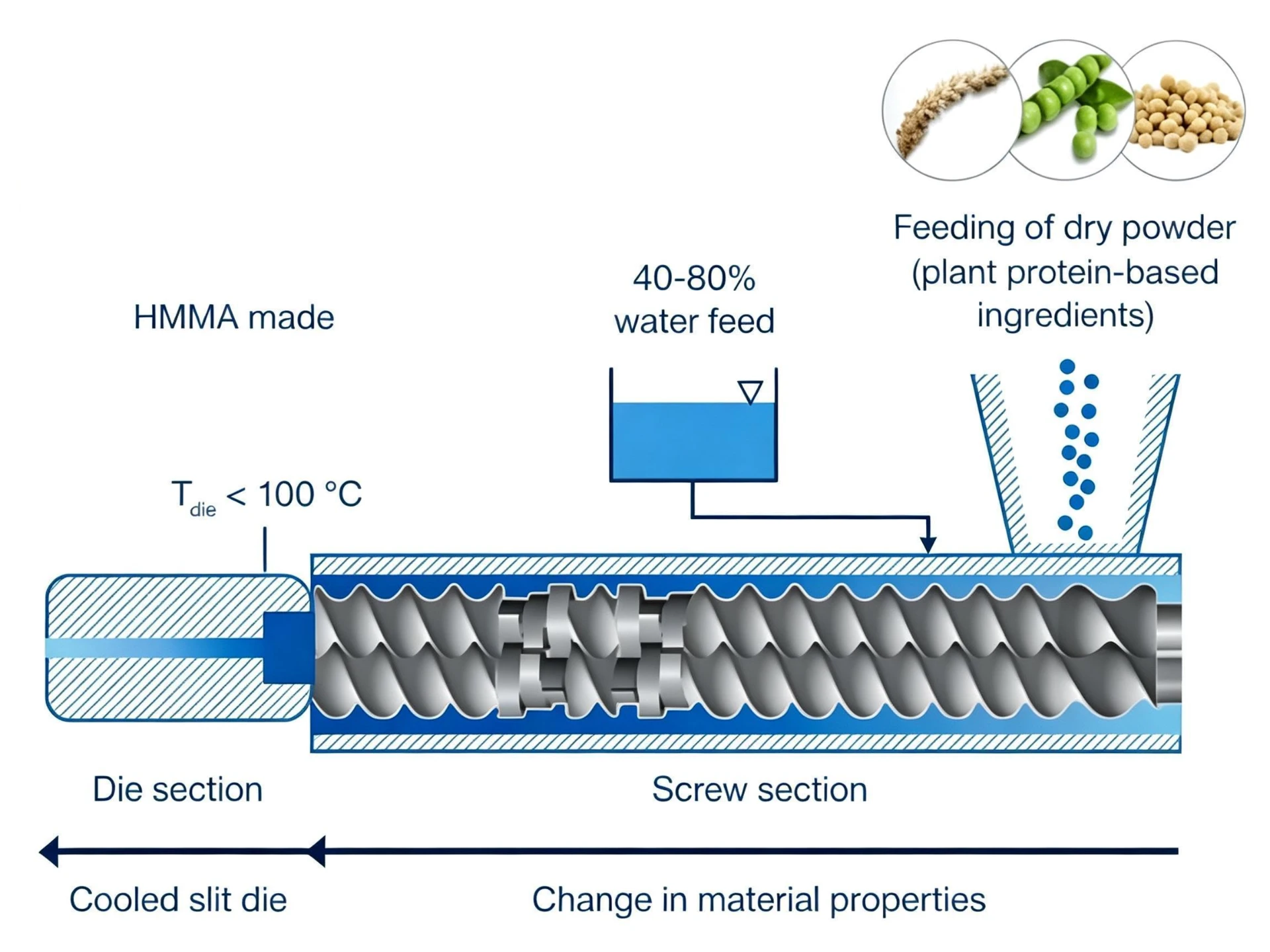
Figure 3. HMMA process concept with a cooled slit die.
Adjustable Temperature and Screw Speed
The May 2026 specification lists seven individually displayed and controlled barrel temperature zones and a screw speed range of 0 to 300 rpm. These settings allow researchers to compare processing conditions. Operating parameters must be selected for the formulation, raw materials and die in use.
HMMA and TVP Process Routes
HMMA and textured vegetable protein (TVP) represent different plant protein extrusion routes. The supplied HMMA process diagram uses a cooled slit die, while the TVP diagram uses a strand die nozzle. Water addition and die conditions differ between these routes; the equipment and accessories should be selected for the intended process.
Sample Preparation and Development Value
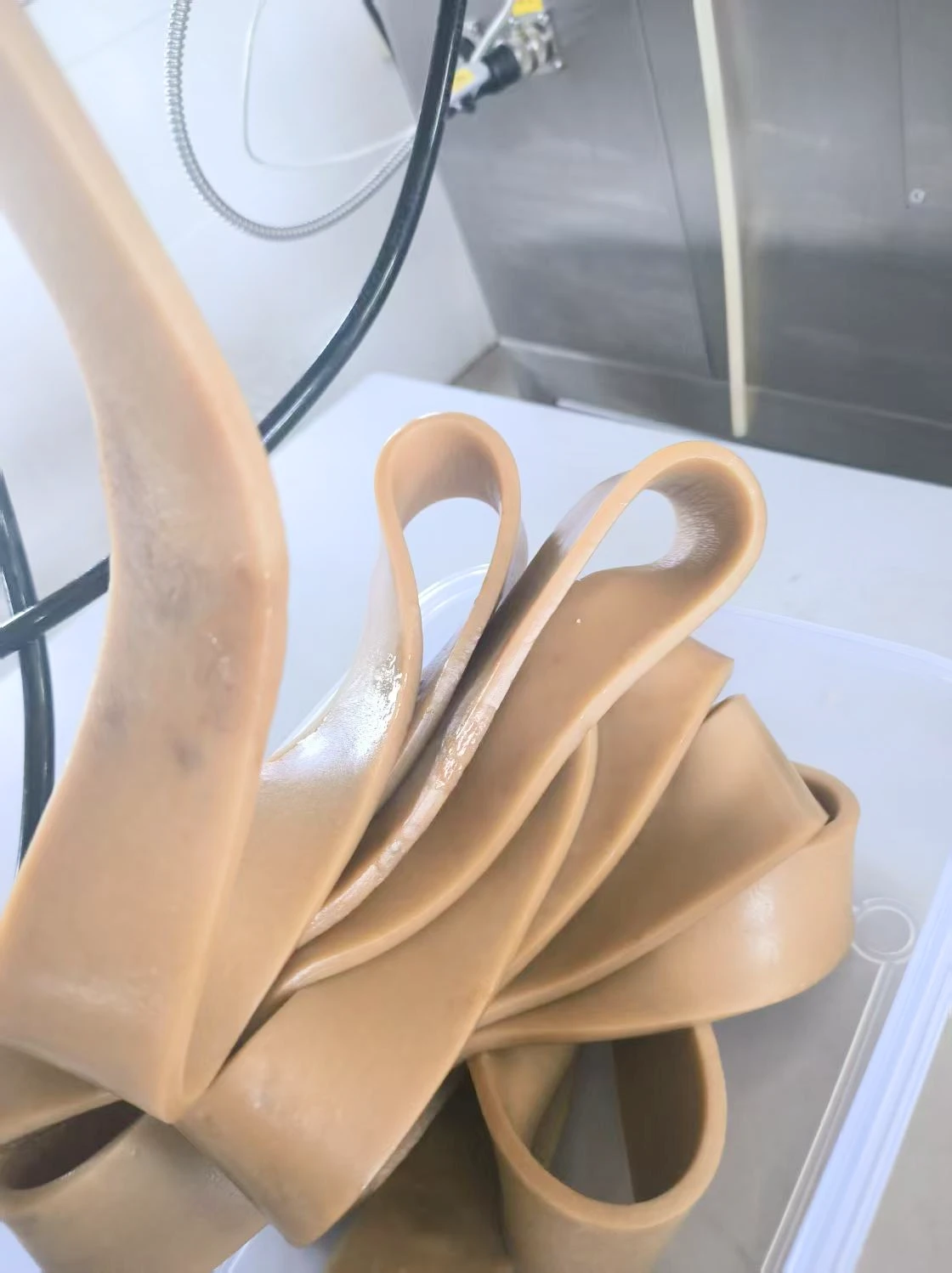
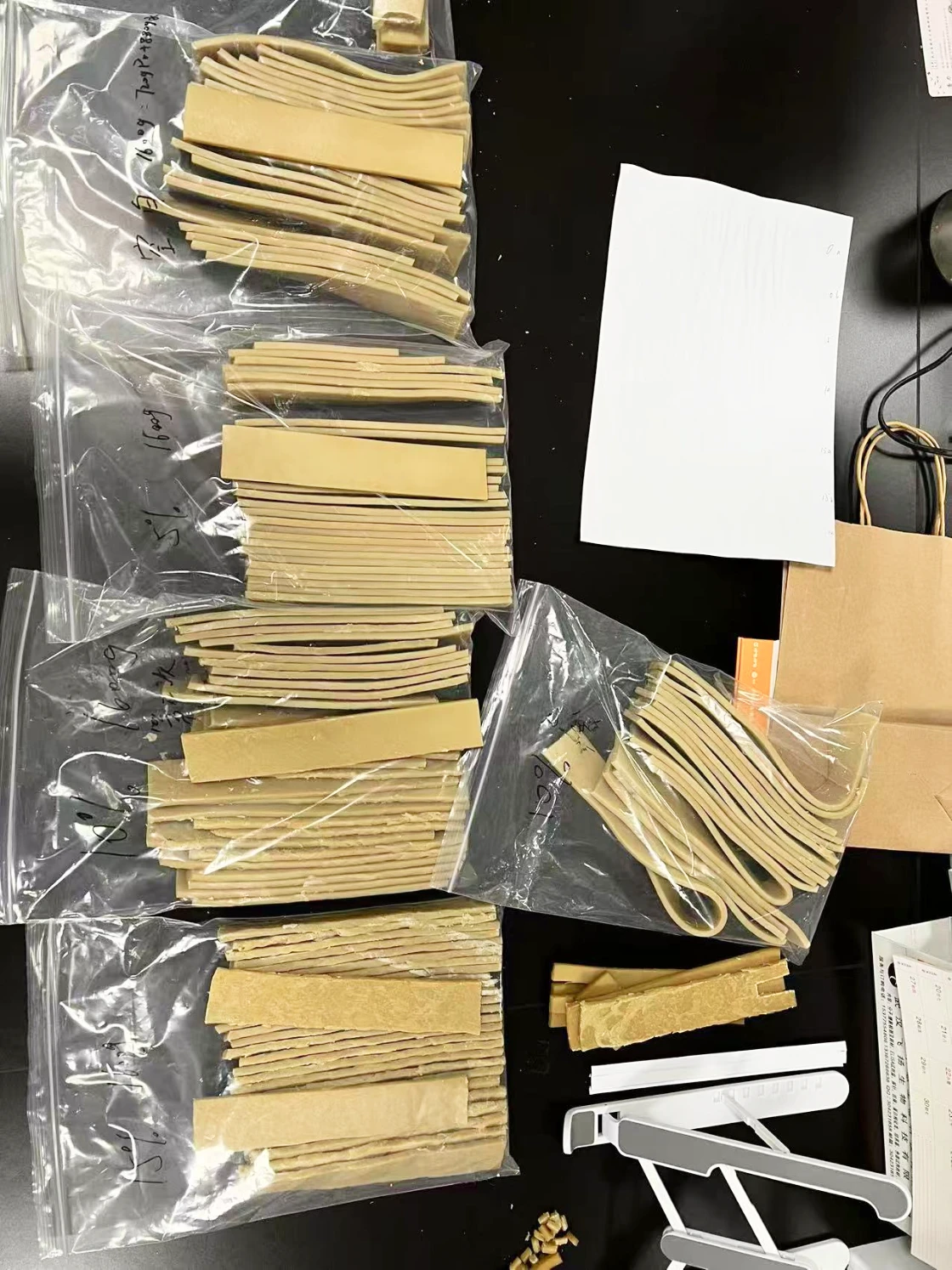
From Visible Shape to Further Evaluation
The photographs show long strips of extruded material and samples collected in separate bags. These samples provide a visual basis for examining appearance, dimensions and forming behavior. They also illustrate the sample preparation stage that connects extrusion trials with subsequent material evaluation.
For plant protein and HMMA development, sample appearance is one part of the assessment. Texture, moisture content and sensory evaluation can help determine whether a formulation and processing setup meet the intended application requirements.
Discuss Your Application with XPMD&WST
Start with your target sample shape, raw materials, trial scale and processing route. Contact XPMD&WST to discuss a Twin Screw Extruder configuration and supporting equipment for your plant protein or HMMA research.